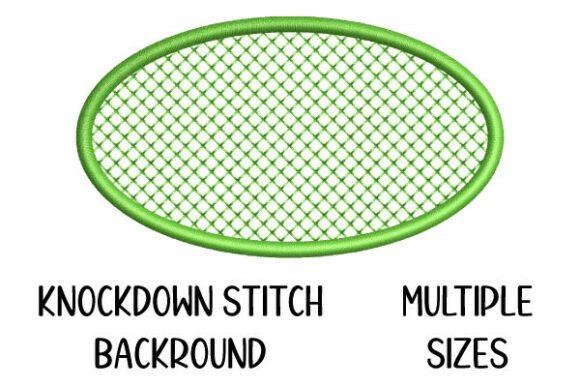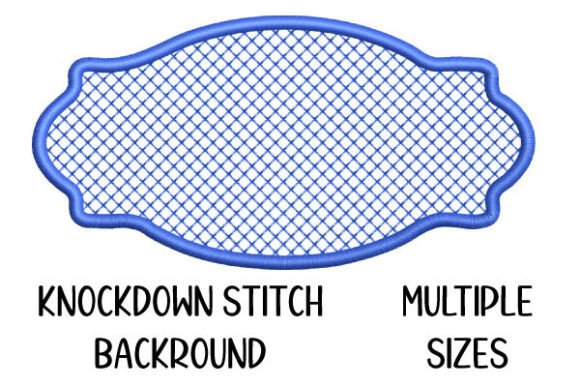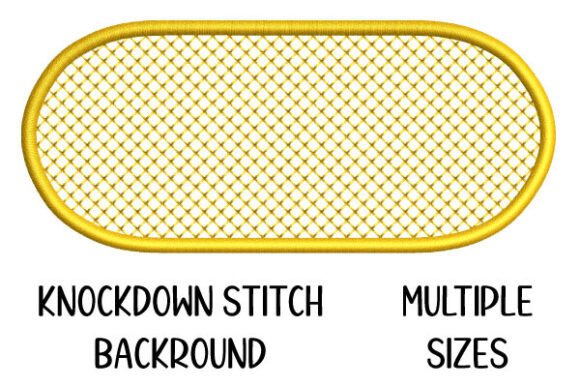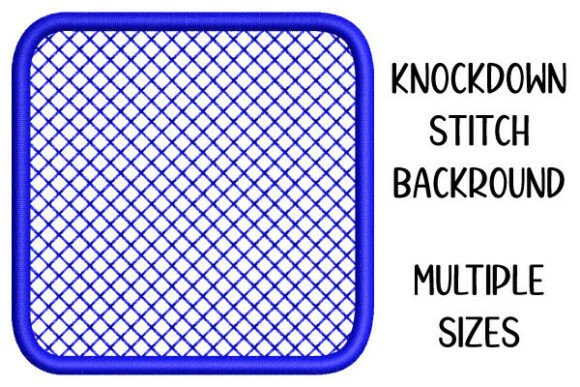
Knockdown Stitch Background for Towels
As an embroidery designer who has spent years navigating the nuances of commercial production, I know that the difference between a mediocre handmade product and a premium one often lies in the details. One of those critical details is how a design sits on the fabric. For a long time, I struggled with designs that looked flat or unstable on textured surfaces like terry cloth or fleece. That changed when I started integrating specific background elements into my workflow. Today, I want to share my honest review of the Knockdown Stitch Background for Towels, a product available on Creative Fabrica that claims to solve exactly this problem.
If you are an Etsy seller, a boutique owner, or simply a crafter looking to elevate your personalized gifts, understanding how background stitches affect the final look is essential. This isn't just about decoration; it's about structural integrity and visual appeal. Let’s dive into how this embroidery file performs in real-world scenarios.
First Impressions: Visual Mood and Design Personality
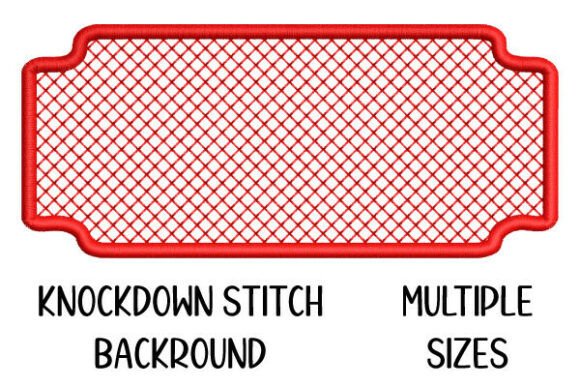
When I first downloaded the Knockdown Stitch Background for Towels, my immediate reaction was one of relief. Many designers rely on heavy satin borders or dense fill stitches to frame their work, but these can sometimes overwhelm delicate motifs or create bulk on soft fabrics. This particular machine embroidery design offers a rounded rectangle shape that feels modern yet classic. The "knockdown" technique used here is subtle. It doesn’t scream for attention; instead, it creates a clean, stabilized canvas that allows the main motif—whether it’s a name, a monogram, or a small graphic—to pop.
The visual mood is professional and understated. It has a decorative appeal that suggests quality without being fussy. For a handmade product like a kitchen towel or a baby blanket, this background provides a sense of completeness. It frames the personalization in a way that feels intentional and high-end. Unlike a generic boxy frame, the rounded corners soften the look, making it particularly effective for nursery decor, children’s items, or cozy home goods.
Performance in Real Embroidery Work
I tested this embroidery file across several different project types to see how it held up under pressure. Here is what I found regarding its performance in various applications:
- Tote Bags and Aprons: On canvas or cotton duck, the knockdown stitch provided excellent stability. It prevented the fabric from puckering around the central design, which is a common issue when stitching dense lettering onto loose-weave fabrics.
- Sweatshirts and Fleece: This is where the product truly shines. Fluffy fabrics are notorious for hiding stitch definition. By using a knockdown background, you flatten the pile slightly within the stitched area, ensuring that any text or logos placed on top remain crisp and legible. It acts as a foundation, stabilizing the design area effectively.
- Kitchen Towels and Bath Linens: Terry cloth can be tricky because the loops can catch the needle or cause uneven tension. The background stitch helps anchor the thread, reducing the risk of skipped stitches and ensuring a smooth finish after washing.
- Caps and Patches: For structured items like caps, the rounded rectangle shape fits well on curved surfaces. It provides a consistent base for applying embroidered patches or custom logos, maintaining brand consistency across different merchandise.
This versatility makes it a valuable asset for commercial embroidery businesses. Whether you are creating custom apparel or preparing printable mockups for digital products, having a reliable background element saves time and reduces errors.
Practical Considerations for Complex Projects
While the Knockdown Stitch Background for Towels is versatile, no single tool works perfectly in every scenario. As an experienced designer, I urge you to consider the following practical constraints before incorporating this into your workflow:
- Hoop Size Limitations: Always check the maximum dimensions of the background relative to your machine’s hoop size. If you are working on larger items like throw pillows or large tote bags, ensure the background fits within your hooping area or plan for multi-hooping strategies.
- Stitch Density and Fabric Texture: On highly textured fabrics, dense stitch areas can sometimes feel stiff. Test the stitch density on scrap fabric first. If the fabric is very thick, such as heavy-duty fleece, you might need to adjust the tension or use a cut-away stabilizer to prevent distortion.
- Thread Color Contrast: The effectiveness of a knockdown stitch relies heavily on contrast. On dark fabrics, a light-colored background will stand out clearly, while a similar shade might disappear. Review thread colors carefully against your intended fabric to ensure the background serves its purpose of flattening the pile without blending in invisibly.
- Small Details and Tiny Lettering: If you are combining this background with tiny lettering, ensure the background does not encroach too closely on the text area. Leave enough breathing room so that the lettering remains readable. Inspect small details after stitching to confirm clarity.
- Curved Surfaces: When embroidering on caps or curved bag fronts, the rectangular shape may distort if not hooped correctly. Use proper stabilization techniques and consider using a temporary spray adhesive to keep the fabric taut during stitching.
Impact on Product Value and Brand Trust
In the world of Etsy listings and craft fair products, presentation is everything. A poorly executed embroidery job can make a great design look amateurish. Conversely, a clean, stable finish builds buyer trust and enhances the perceived value of your finished product.
Using a specialized background like the Knockdown Stitch Background for Towels signals to your customers that you care about quality. It shows that you understand the technical challenges of working with different fabrics and have taken steps to overcome them. This attention to detail contributes to a cohesive brand identity and increases the likelihood of repeat customers and positive reviews.
Furthermore, for digital product sellers offering design assets, providing a well-designed background adds value to your bundle. It allows other designers to create more polished projects quickly, making your files more attractive in a competitive marketplace.
Essential Pre-Production Checklist
Before committing to a full production run, I recommend following these steps to ensure success:
- Test on Scrap Fabric: Always stitch a sample on the exact fabric you plan to use. Check for puckering, thread breaks, or instability.
- Review File Details: Confirm the file format and compatibility with your embroidery machine. Check the product page on Creative Fabrica for any specific instructions or recommendations.
- Check Licensing: If you are selling finished items, verify the licensing terms associated with the embroidery file. Ensure you are permitted to use it for commercial purposes.
- Inspect After Washing: Wash and dry your test sample to see how the knockdown stitch holds up over time. Does it maintain its shape? Do the threads fade or bleed?
- Compare Mockups: Create both light and dark fabric mockups to visualize how the background interacts with different color schemes.
In conclusion, the Knockdown Stitch Background for Towels is a thoughtful addition to any embroidery designer’s toolkit. It addresses a specific pain point—working with fluffy or textured fabrics—and delivers a clean, professional result. While it is not a magic bullet for every embroidery challenge, its ability to stabilize and frame designs makes it worth considering for your next personalized gift or boutique merchandise line. Just remember to test thoroughly and respect the limitations of your materials and equipment.