Twin Fill Number - 2 Embroidery Design Review
As an embroidery designer who spends hours every week testing stitches, evaluating thread tension, and planning product lines for small businesses, I approach every new machine embroidery design with a mix of excitement and skepticism. Today, I am reviewing the Twin Fill Number - 2, a versatile piece that promises to elevate personalized gifts. If you are an Etsy seller, a craft fair exhibitor, or someone running a boutique specializing in custom orders, understanding how this design performs on real fabric is crucial before you commit it to your production queue.
First Impressions: Mood and Aesthetic Appeal
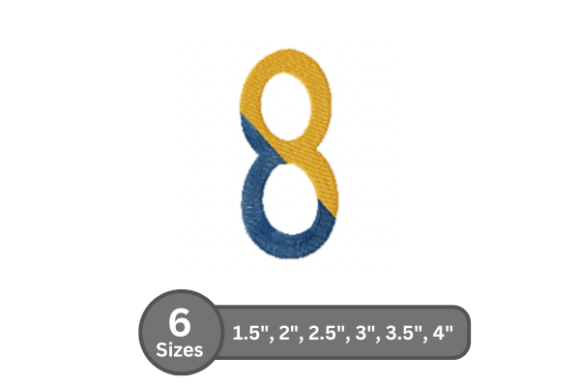
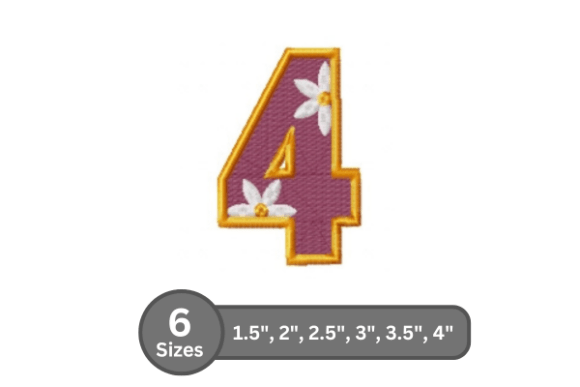
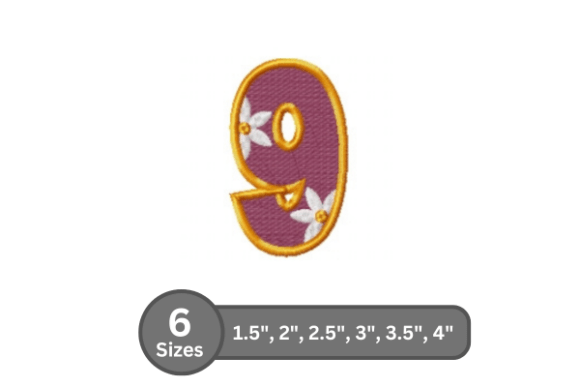
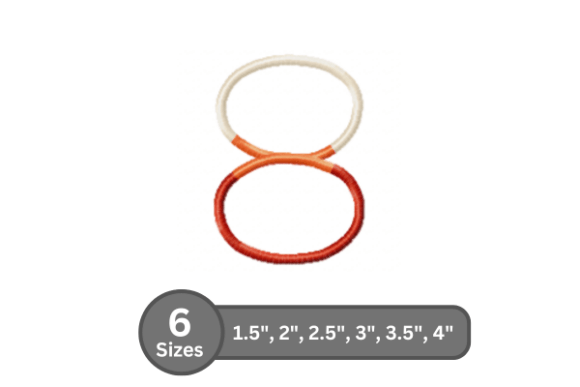
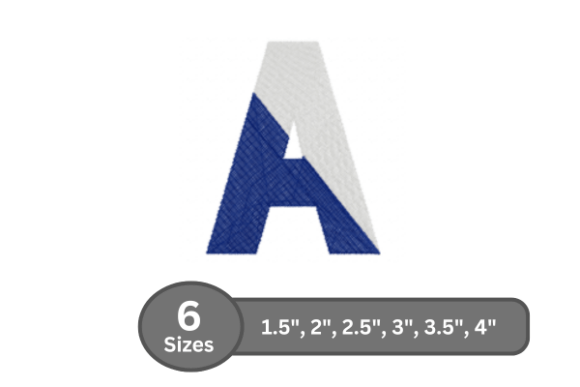
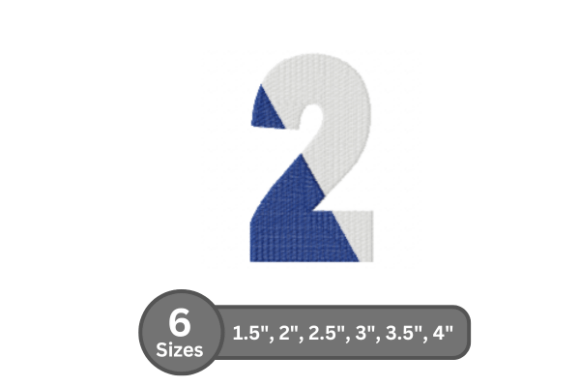
When I first loaded the embroidery file for Twin Fill Number - 2 into my hoop, the immediate feeling was one of classic elegance mixed with modern simplicity. The font style is distinctively "twin fill," which suggests a double-layered stitch effect that adds depth without becoming cluttered. It feels sweet yet sophisticated, making it incredibly adaptable. Unlike overly ornate scripts that can look messy when stitched at smaller sizes, this design maintains its readability and charm.
The emotional appeal is strong. It screams "handmade quality." For a customer browsing online, seeing a clean, stylishly stitched letter on a soft cotton background instantly signals care and attention to detail. It strikes a balance between playful and romantic, which is a rare combination. This aesthetic makes it perfect for a wide range of niches, from nursery decor to wedding keepsakes. The design does not feel dated; it has a timeless quality that will remain relevant in your shop for seasons to come.
Real-World Application: From Concept to Customer
Let’s imagine a specific scenario. A client comes to you wanting a meaningful gift for a newborn baby shower. They request a personalized baby blanket featuring the child’s initial. Using Twin Fill Number - 2, you place the monogram in the corner of a cream-colored muslin blanket. The result is striking. The fill stitches catch the light beautifully, creating a tactile experience that photographs well for your online listings.
This design is not limited to baby items. Consider a kitchen towel for a housewarming gift. An embroidered towel featuring a family name or a special date using this font adds a touch of rustic chic. Similarly, for a wedding gift, a pillow cover with the couple’s initials offers a sophisticated alternative to generic store-bought linens. The versatility of the multiple sizes included in the file means you can scale the design down for a delicate apron pocket or up for a large tote bag centerpiece.
- Baby Products: Ideal for onesies, receiving blankets, and nursery wall art where legibility and softness are key.
- Wedding Gifts: Perfect for guest book covers, favor tags, and ceremonial pillows where elegance is paramount.
- Home Decor: Enhances throw pillows, table runners, and framed fabric art with a personal touch.
- Fashion Accessories: Adds character to denim jackets, canvas totes, and linen bags.
Strategic Placement and Fabric Considerations
While Twin Fill Number - 2 is robust, it is not invincible. As a professional, I must advise caution in certain applications. Textured fabrics, such as heavy terry cloth or thick waffle-weave towels, can obscure the finer details of the fill stitches. The needle may struggle to penetrate evenly, leading to puckering or skipped stitches. Always test on scrap pieces of your actual product fabric before committing to a final order.
Stretchy fabrics, like those used for some baby clothes or athletic wear, require extra stabilization. Without proper support, the tension of the fill stitches can distort the garment, causing the letters to warp. Use a cut-away stabilizer for these projects to ensure the design remains crisp after washing. Additionally, dark fabrics demand high-contrast thread colors. A subtle pastel thread might get lost against black or navy backgrounds, diminishing the visual impact of the design.
Curved surfaces, such as the front of a baseball cap or a rounded hat brim, present another challenge. While the design itself is flexible, the underlying structure must be rigid enough to hold the shape during stitching. Poor hooping technique on curved items can lead to misalignment. If you are unsure about hooping techniques for specific products, practice on cheap substitutes until you master the tension adjustments.
Boosting Perceived Value and Trust
In the world of handmade goods, presentation is everything. A well-executed embroidery design directly influences perceived value. When customers see the precision of Twin Fill Number - 2, they associate it with high-quality craftsmanship. This builds trust and justifies a higher price point. For an Etsy seller, clear product photography that highlights the texture of the stitches can significantly increase buyer engagement.
Consider offering digital mockups alongside your physical products. Show potential buyers how the design looks on different colored fabrics. This transparency helps manage expectations and reduces returns due to mismatched aesthetics. Furthermore, emphasizing the customization aspect—allowing customers to choose their own letters and colors—creates an emotional connection. People are more likely to purchase a product that feels uniquely theirs.
Practical Technical Notes for Success
To ensure the best results with Twin Fill Number - 2, follow these practical steps:
- Test on Scrap Fabric: Always run a test stitch on the same material you plan to use. Check for puckering, thread breaks, or density issues.
- Check Thread Contrast: Ensure the thread color stands out against the fabric. Light threads on dark fabric and vice versa work best for readability.
- Confirm Hoop Size: Verify that your machine’s hoop accommodates the largest size of the design. Do not stretch the design beyond its intended proportions.
- Review Stitch Density: High-density fills can make fabric stiff. If stiffness is a concern, consider reducing the density slightly if your software allows, or use a lighter backing stabilizer.
- Use Proper Stabilizer: Match the stabilizer to the fabric weight. Tear-away for woven shirts, cut-away for knits and stretchy materials.
- Compare Mockups: Create both light and dark fabric mockups to visualize the final product accurately.
- Inspect Small Details: After stitching, zoom in on the smallest parts of the letters. Are they clear? Is the fill even?
- Verify Licensing: Before selling finished products, confirm the commercial licensing terms of the digital embroidery file. Some designs allow unlimited sales, while others may have restrictions.
Final Thoughts
Twin Fill Number - 2 is a reliable, attractive addition to any embroidery designer’s library. Its stylish stitched font appeals to a broad audience, from parents looking for baby gifts to couples celebrating weddings. By paying attention to fabric choice, stabilization, and thread contrast, you can create finished products that delight customers and strengthen your brand reputation. Remember, the success of a custom embroidery project lies not just in the design file, but in the careful execution and thoughtful presentation. Test thoroughly, plan wisely, and let your creativity shine through every stitch.